Expert Flat Roofing Solutions for South Jersey Homes and Businesses
Expert Flat Roofing Solutions for South Jersey Homes and Businesses
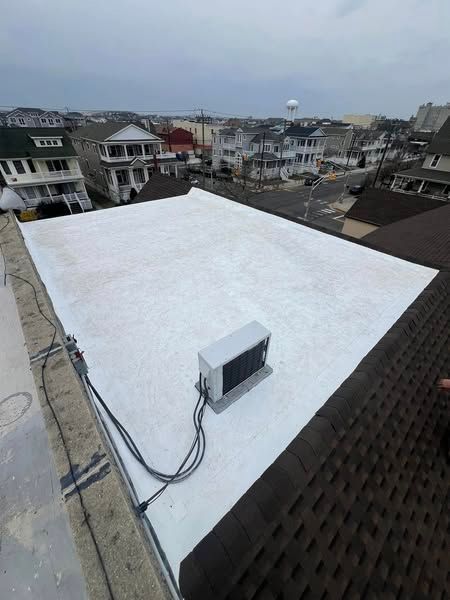
Navigating the unique challenges of coastal weather and energy efficiency for your South Jersey flat roof? Property owners and commercial managers need robust, leak-proof membranes built to withstand salty air, standing water, and fluctuating temperatures. This guide covers the best materials, essential maintenance and repair strategies, property-specific needs, the local expertise of JM Elite Contractors, and the clear value of your roofing investment. We’ll compare EPDM, TPO, modified bitumen, PVC, and built-up options, detail upkeep best practices, and highlight long-term savings, equipping you with the knowledge to protect and enhance your flat roofing assets.
What Are the Top Flat Roofing Materials for South Jersey Properties?
Different flat roofing materials offer distinct lifespans, energy-saving capabilities, and installation methods suited for nearly level surfaces. Ethylene propylene diene monomer (EPDM) provides superior weatherproofing, thermoplastic polyolefin (TPO) reflects solar heat effectively, and modified bitumen blends the resilience of asphalt with polymer flexibility. Polyvinyl chloride (PVC) offers excellent chemical and fire resistance, while built-up roofing (BUR) uses multiple layers for proven durability. Choosing the right
flat roof membrane is key to long-term performance and suitability for local climate conditions and building use.
Here’s a look at the key features of popular
flat roofing materials ideal for South Jersey’s environment.
Material
Estimated Lifespan
Energy Efficiency Feature
EPDM
20–50 years
Moderate solar absorption
TPO
15–30 years
High reflectivity
Modified Bitumen
20–30 years
Enhanced UV resistance
PVC
20–30 years
High reflectivity
Built-Up Roofing
20–30 years
Moderate solar absorption
These material choices provide varied lifespans and reflectivity options, helping property owners select the best
membrane for lasting durability or enhanced energy savings.
What Are the Advantages of EPDM Roofing in South Jersey?
EPDM roofing delivers outstanding weather resistance and cost-effective installation for both residential and commercial flat roofs. This synthetic rubber membrane stands up to hail, UV rays, and the salty coastal air. Its seamless application minimizes potential leak points and simplifies routine inspections. Understanding EPDM’s strengths naturally leads to exploring how
TPO membranes can further boost energy performance.
EPDM Roofing Membranes: Composition and Durability for Low-Slope Applications
EPDM roofing membranes and EPDM liners for water tanks. The typical composition of EPDM sheets includes 26% polymer (EPDM), ... such as punctures from dropped objects or damage from hail. ...| Rubber and Rubber-Like Products for Low-Slope Roofing Applications, RM Paroli, 2023
Research also confirms EPDM’s superior resistance to hail impact compared to other single-ply
roofing options.
Hail Resistance of Single-Ply Roofing Membranes, Including EPDM
...resistant to hail-strike damage among all single-ply membranes. Research on the hail resistance of EPDM...Hail damage assessments to low-sloped roof systems, Unknown Author, 2021
How Does TPO Roofing Enhance Energy Efficiency in South Jersey?
TPO roofing reflects as much as 80 percent of the sun’s heat, significantly reducing cooling demands during South Jersey’s warm, humid summers. This single-ply membrane features heat-welded seams that create a strong, waterproof seal across large commercial rooftops. By lowering roof surface temperatures, TPO membranes decrease HVAC energy consumption and help combat the urban heat island effect. Discovering TPO’s energy advantages naturally leads to exploring other durable options like
modified bitumen.
Why Opt for Modified Bitumen for Durable Flat Roofs in South Jersey?
Modified bitumen combines the proven waterproofing of asphalt with polymer modifiers, offering enhanced flexibility to adapt to temperature changes. Its layered installation effectively resists standing water, foot traffic, and coastal salt exposure. Whether installed with cold adhesives or torch-applied methods, it creates a tough surface ideal for
commercial roofing needs. Understanding modified bitumen’s durability sets the stage for appreciating the benefits of PVC and built-up systems.
What Are the Key Features of PVC and Built-Up Roofing for South Jersey?
PVC roofing membranes are resistant to chemicals, oils, and fire, making them an excellent choice for light industrial or commercial properties with rooftop equipment. Built-up roofing (BUR) utilizes alternating layers of felt and bitumen coatings to form a thick, multi-layered barrier against moisture. Both systems provide reliable performance and straightforward repair processes that local experts can efficiently manage. Moving from materials to upkeep, proactive maintenance is crucial for ensuring membrane longevity and preventing leaks.
How Can You Effectively Maintain and Repair Flat Roofs in South Jersey?
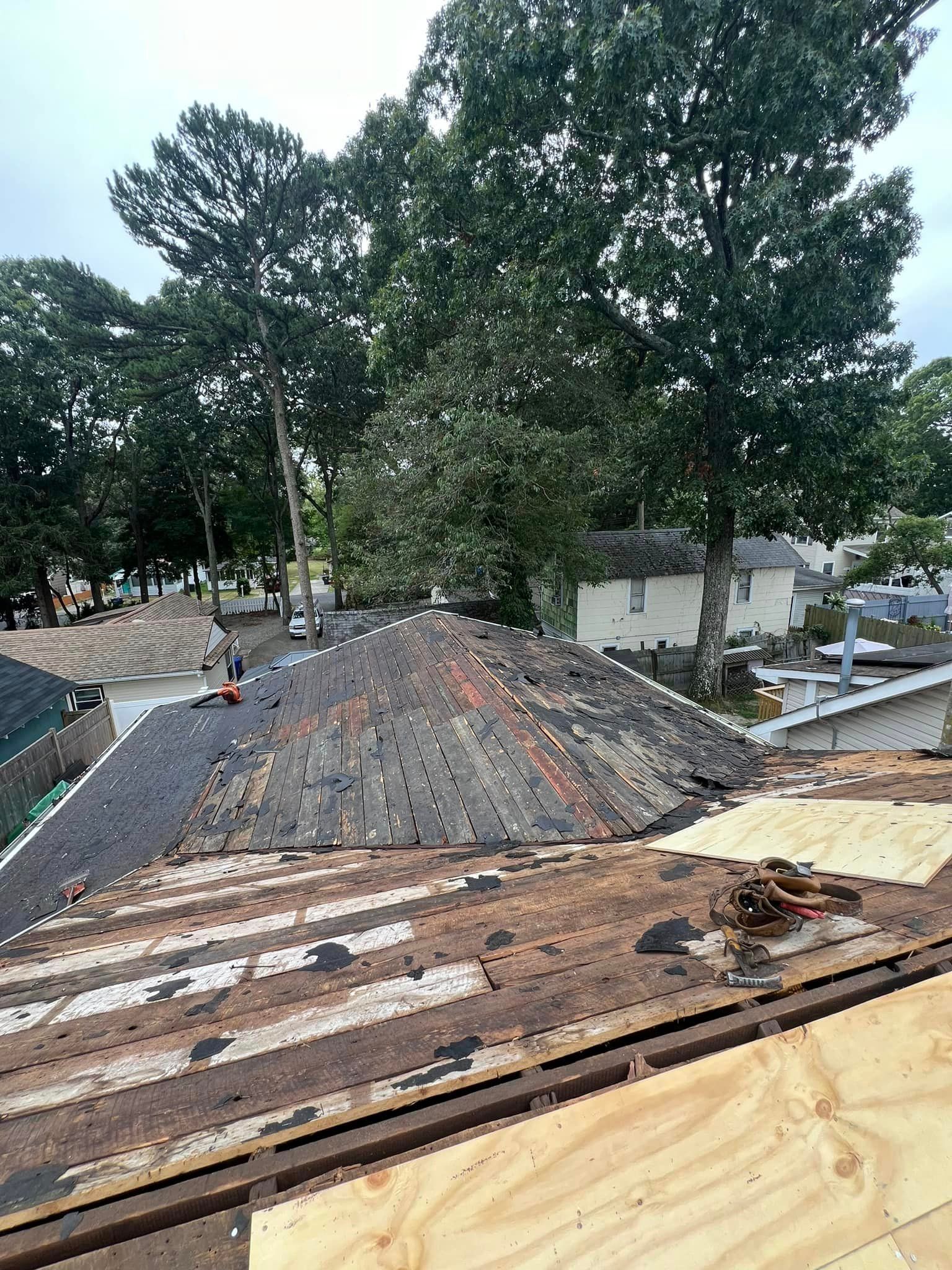
Regular, proactive maintenance ensures your flat roofing system performs at its best, prevents small issues from becoming major problems, and extends the membrane’s lifespan. Routine inspections help identify seam separations, flashing concerns, and debris buildup before leaks can form. Keeping drains and scuppers clear prevents standing water, which can accelerate membrane deterioration. By scheduling consistent check-ups and addressing minor repairs promptly, property owners can avoid costly failures and maintain optimal
energy efficiency.
What Are Common Flat Roof Issues in South Jersey and Their Solutions?
Typical problems include membrane punctures, seam separation, and ponding water after significant rainfall.
- Membrane tears, often caused by foot traffic, can be repaired with compatible adhesive-backed patches.
- Seam separation can be restored to watertight integrity using hot-air welding or cold-applied sealants.
- Ponding water requires clearing drains or installing tapered insulation to improve drainage.
Addressing these issues as soon as they appear prevents structural damage and
avoids expensive emergency repairs.
What Is the Process for Flat Roof Repair and Leak Detection?
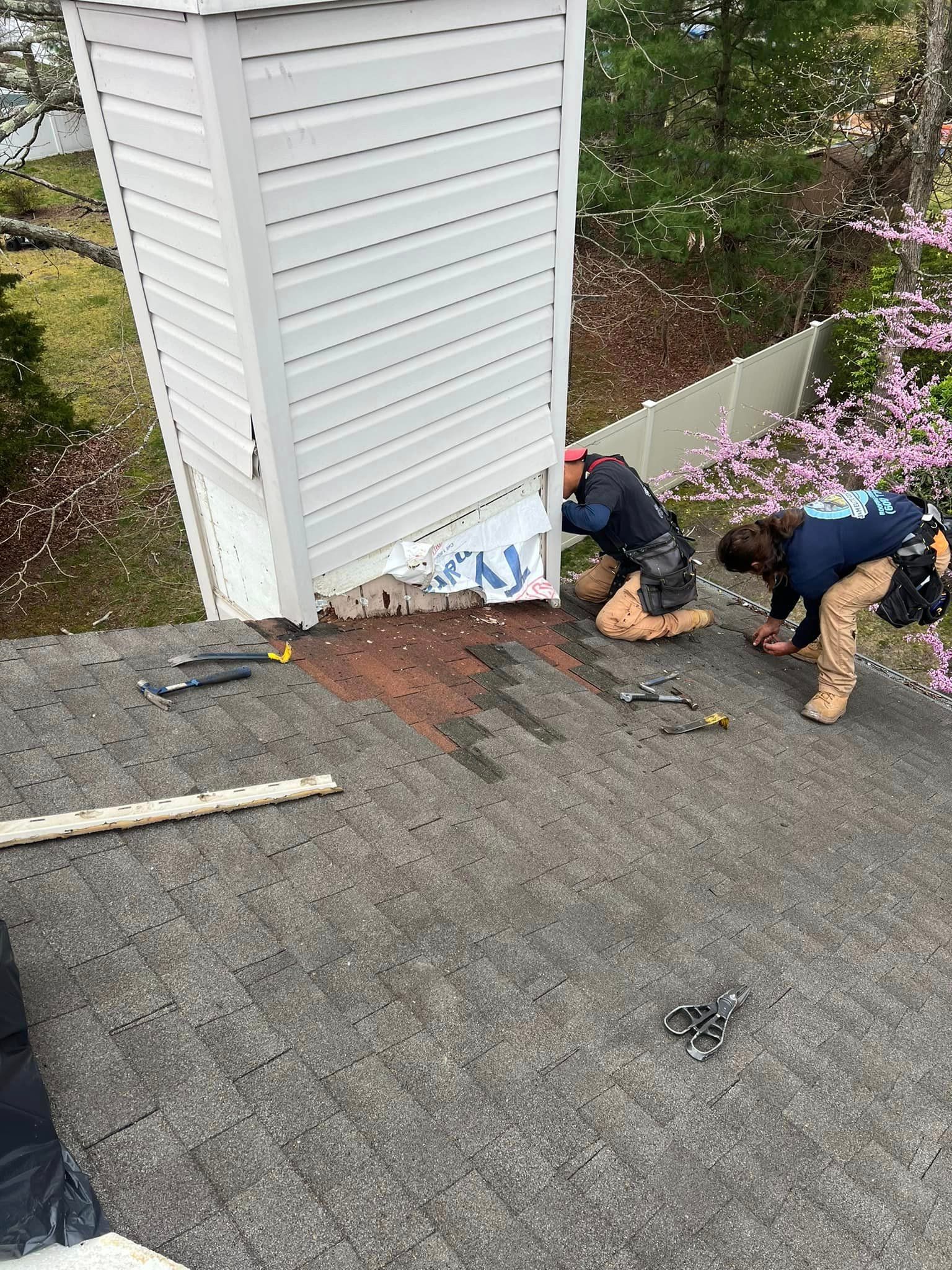
Experienced technicians begin with a thorough visual inspection, followed by infrared scanning or moisture meter testing to locate hidden leaks.
- Clear the roof surface of debris and ensure wet areas are dry for accurate assessment.
- Repair membrane damage by cleaning, priming, and applying patch kits or welding seams.
- Conduct water tests on suspected areas to confirm the leak has been fully resolved.
Following these steps ensures reliable repairs and long-lasting
water resistance.
How Often Should Flat Roof Maintenance Be Performed in South Jersey?
Flat roofs benefit from professional maintenance at least twice a year, ideally in the spring and fall. Seasonal inspections before the heavy summer rains and winter freezes help identify vulnerabilities early. Additional checks after severe weather events are crucial to protect against wind damage and ponding water. Consistent service helps maintain warranty coverage and maximizes your roofing investment’s return.
What Should Residential and Commercial Property Owners Know About Flat Roofing in South Jersey?
While both residential and commercial flat roofs need reliable waterproofing and energy control, they differ significantly in scale, traffic, and performance expectations. Homeowners often prioritize aesthetic integration, discreet drainage solutions, and minimal foot traffic. Commercial clients typically require robust systems for large-area drainage, support for rooftop equipment, and minimal disruption during service. Understanding these distinctions guides the selection of materials, installation methods, and
maintenance plans.
What Are the Specific Flat Roofing Needs for Commercial Properties in South Jersey?
Commercial flat roofs demand heavy-duty membranes capable of withstanding punctures from mechanical units and allowing safe access for maintenance. Proper slope design and multiple drainage points are essential to prevent ponding across expansive surfaces. High-reflectivity membranes offer substantial energy savings for large HVAC systems in warehouses or retail spaces. Choosing reinforced systems and scheduling service during off-peak hours ensures business operations remain uninterrupted. For more information, visit
flat roof options.
How Do Residential Flat Roofs Benefit Homeowners in South Jersey?
Homeowners can enjoy the aesthetic appeal, enhanced interior quietness, and simplified integration of attic spaces that flat roofing provides. Energy-efficient membranes reduce heat gain in attics, leading to lower cooling costs during the hot, humid months. Repairs on smaller roof areas are typically quicker and less disruptive. Selecting lighter, reflective materials offers a balance of durability and visual harmony within residential neighborhoods.
How Does JM Elite Contractors Deliver Expert Flat Roofing Solutions in South Jersey?
With over a decade of specialized
flat roofing experience in Atlantic County and surrounding areas, JM Elite Contractors offers unparalleled expertise. Our licensed professionals meticulously assess each project’s structural needs, budget constraints, and long-term performance objectives. By employing manufacturer-certified installation techniques and premium materials, JM Elite guarantees watertight integrity and optimal energy efficiency. Our comprehensive services include new installations, targeted repairs, and preventive maintenance plans specifically designed for local conditions.
Why Choose JM Elite Contractors for Flat Roof Installation and Repair?
JM Elite Contractors combines certified craftsmanship with responsive project management to ensure on-time, on-budget project completion. Our stringent quality control measures and transparent pricing build lasting trust with both homeowners and commercial clients. Through exclusive partnerships with leading membrane manufacturers, we provide access to the latest advancements in energy-saving and weather-resistant products. Our dedicated warranties and ongoing support demonstrate our unwavering commitment to your
roof’s long-term performance.
How Does JM Elite Tailor Flat Roofing Solutions to South Jersey’s Climate?
Our approach to material and installation choices is informed by a deep understanding of coastal salt spray, freeze-thaw cycles, and intense summer heat. We select custom membrane solutions that prioritize UV reflectivity and polymer modification for superior flexibility under temperature fluctuations. Strategic flashing and secure edge detailing are implemented to guard against wind uplift and moisture intrusion. Our preventive maintenance agreements include seasonal inspections designed to address climate-specific
roof leak tips before they can cause damage.
Influence of Regional Weather Conditions on Single-Ply Roofing Membranes: TPO, PVC, and EPDM
Regional weather patterns across the United States can exert variable influences on the performance of roofing membranes, thereby affecting the long-term stability and functionality of single-ply roofing systems, including Thermoplastic Polyolefin (TPO), Polyvinyl Chloride (PVC), and Ethylene Propylene Diene Monomer (EPDM). Various weathering factors, such as humidity, salinity, UV exposure, and freeze-thaw cycles, were simulated under laboratory conditions to replicate diverse climatic conditions prevalent in different regions of the United States. These simulated laboratory conditions allow for the correlation of aging effects with specific geographical regions based on distinct weathering patterns. Consequently, more precise predictions of roofing performance can be developed and applied to optimize the selection of appropriate roofing systems and warranty strategies.Examining regional weather effects on single ply roofing membranes, Unknown Author, 2018
South Jersey’s specific climate—characterized by coastal humidity, salt exposure, significant UV radiation, and frequent freeze-thaw cycles—profoundly impacts the long-term performance and durability of single-ply roofing membranes like TPO, PVC, and EPDM.
What Are the Typical Costs and ROI of Flat Roofing Solutions in South Jersey?
Flat roofing installation costs generally range from $5.00 to $8.50 per square foot, varying based on the membrane type, building size, and necessary substrate preparation. Repair costs can range from $300 for minor patches to over $1,500 for seam restoration and flashing replacement. While initial expenses differ by material, a well-maintained TPO or EPDM roof can generate energy savings that recoup the installation cost within
five to seven years.
Expense Category
Estimated Cost per Square Foot
Long-Term Return
New Installation
$5.00–$8.50
Reduced HVAC expenses through solar reflection
Preventive Maintenance
$0.50–$1.00 per visit
Extended membrane lifespan by 5–10 years
Assessing the total cost against projected energy savings and lifespan helps property owners make informed decisions that maximize their
investment’s value.
What Factors Influence Flat Roof Installation and Repair Costs in South Jersey?
Key cost determinants include the chosen membrane, building height, roof complexity, and any required substrate repairs. Coastal regulations might necessitate the use of corrosion-resistant flashing materials, adding to project expenses. Accessibility challenges and the need for phased installation schedules can also affect labor and equipment costs. Clear project scope definition and detailed
estimates help prevent budget surprises.
How Do Energy-Efficient Flat Roofs Provide Long-Term Savings?
Reflective flat roof membranes can reduce roof surface temperatures by up to 50 percent, significantly lowering peak cooling demands and cutting electricity bills. Extended warranty periods on premium products often include energy performance guarantees, potentially qualifying for rebates and tax incentives. Over a decade, these savings frequently surpass the additional cost of
high-reflectivity materials, delivering a substantial return on investment.
Effective flat roofing in South Jersey requires a careful balance of durability, energy management, and climate-appropriate installation. By thoroughly understanding material options, committing to consistent maintenance, and partnering with a qualified provider like JM Elite Contractors, property owners can protect against leaks, lower operating expenses, and preserve their building’s value. Strategic planning and transparent
cost-benefit analysis empower confident decisions that yield benefits for decades to come.